
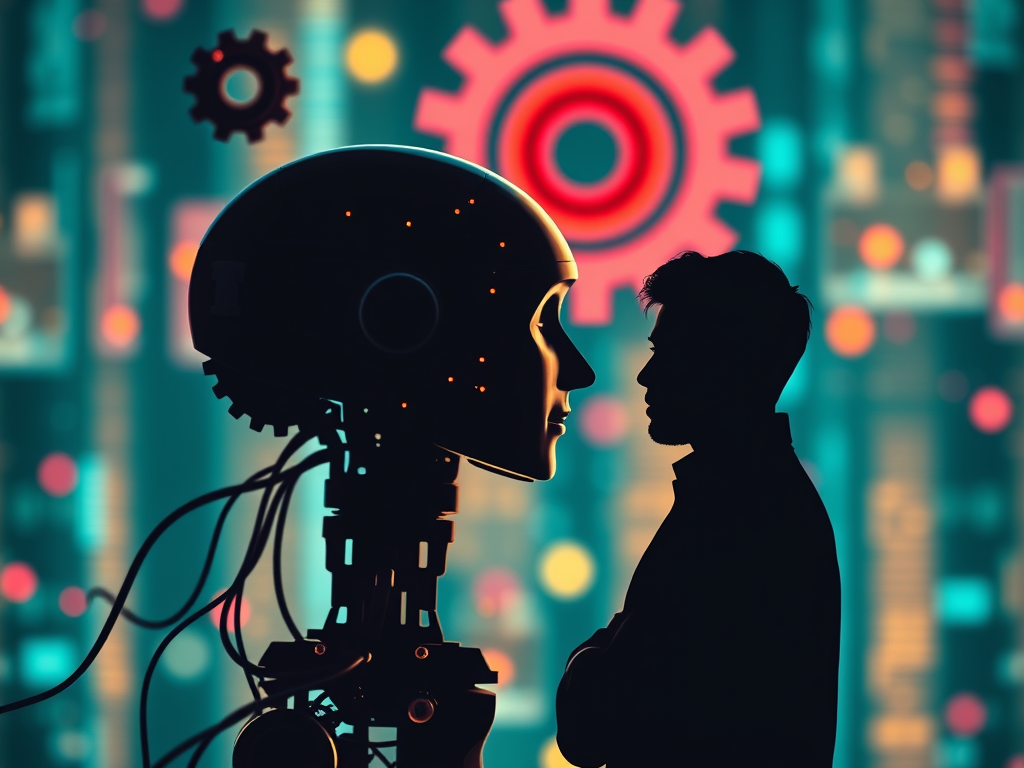
AI in marketing and advertising is hotly debated and many have written about it, but AI is changing and reshaping the marketing landscape faster than most teams can keep up. From content generation and audience targeting to predictive analytics and creative ideation, nearly every function is under pressure to adopt and adapt.
While AI brings undeniable speed and scale, it also introduces new risks. These include sameness across brands, the loss of distinct voice and tone, shallow insights, and an increasing temptation to rely on automation in areas where human judgment is critical.
The real challenge is not whether to use AI, but how to use it wisely. Knowing what to automate and what to protect is now a strategic advantage.
What to Automate: Scale, Structure, and Signals
AI performs best in areas that are repetitive, structured, or data-heavy. If the task involves producing content at scale, accelerating turnaround time, or surfacing patterns across large datasets, AI can be a valuable partner.
Here are a few areas where automation makes strategic sense:
- Content repurposing AI can break down a long webinar into a series of blog posts, turn a white paper into bite-sized social content, or translate internal presentations into external thought leadership.
- Audience analysis at scale Machine learning can identify behavior patterns, segment audiences based on intent, and uncover needs or friction points faster than manual review ever could.
- Optimization of subject lines and calls to action A/B testing becomes more efficient when AI rapidly evaluates variations and delivers insights across campaigns.
- Dynamic personalization Automation can tailor messages, product recommendations, and content based on user behavior, increasing relevance without increasing headcount.
- The takeaway: Use AI to support delivery and scale, not to replace strategic thinking.
What to Guard: Voice, Insight, and Vision
While AI can generate content, it cannot generate meaning. The core of effective marketing still relies on human insight, emotional intelligence, and contextual awareness.
Protect these areas from over-automation:
- Brand voice and tone AI can mimic a tone, but it lacks the nuance and sensitivity required to express values, build trust, or adjust for complex emotional dynamics. Your voice is an asset that requires human stewardship.
- Strategic insights AI tools may highlight what people are doing, but not why they are doing it. Only humans can connect dots between behavior and motivation, and then shape those insights into something actionable.
- Narrative and positioning Strong positioning reflects your market, your customers, and your purpose. These are not just data points, they are strategic decisions rooted in human judgment.
- Ethical choices Just because a tool allows you to do something does not mean you should. Maintaining ethical standards and customer trust requires human oversight, not automation.
The takeaway: Let humans lead in areas that involve interpretation, emotion, or ethics.
How to Build a Human-AI Workflow
Rather than viewing AI as a replacement for human creativity, consider how the two can work together. A thoughtful division of labor creates both efficiency and impact.
Try these practices:
- Set clear roles Decide in advance which tasks will be AI-assisted and which will remain entirely human-led. This creates clarity and prevents overreach.
- Audit your tech stack Evaluate your tools regularly. If a platform is producing generic or off-brand content, it may be costing more in lost trust than it is saving in time.
- Assign people to the work that matters most Strategy, customer insight, creative direction, and storytelling all require human focus. Protect that space.
- Treat AI as a smart assistant It can draft, summarize, and accelerate, but it still needs oversight, context, and review. Use it to support your process, not define it.
Final Thought: Soul Still Sells
In a world increasingly filled with auto-generated content, the marketers who succeed will not be the ones who automate everything. They will be the ones who protect what makes their message matter. Buyers are still human. They still respond to clarity, empathy, and relevance. And that kind of connection is something only people can create.